
Perception of the German Language among Contemporary Russian-Speaking Youth
Perception of the German Language among Contemporary Russian-Speaking Youth

Abstract
The article examines stereotypical perceptions of the German language among contemporary Russian-speaking youth. The focus is on accent stereotyping and the correlation between cultural-historical and phonetic factors in shaping negative language attitudes. The study is based on data from a directed associative experiment involving 54 Russian-speaking subjects aged 17–35. The experiment included reactions to a verbal stimulus (“German language”) and an auditory stimulus representing German speech. The results demonstrate a predominance of negative associations with the verbal stimulus and their partial attenuation when subjects perceive actual speech. A comparison with previous studies supports the decisive role of cultural-historical stereotypes in shaping attitudes toward the German language.
1. Introduction
The issue of stereotyping occupies a central position in contemporary linguistics, psycholinguistics, and intercultural communication. Stereotypes are understood as stable cognitive constructs that enable individuals to simplify the perception of complex social and linguistic reality; however, they often lead to distorted and emotionally charged evaluations of social phenomena , , .
Language, as a socially and culturally embedded phenomenon, holds a special place within the system of stereotypes, as it functions not only as a means of communication but also as a marker of group affiliation, historical memory, and collective experience. Previous studies indicate that language attitudes are frequently shaped not by individual linguistic experience but by socially endorsed beliefs and mass representations , .
In this respect, the perception of the German language within the Russian-speaking community is of particular interest. For a long time, German has been associated with military aggression, fascism, and harshness, largely due to historical events of the first half of the twentieth century and their subsequent representation in media discourse . Despite the transformation of Germany’s contemporary image and the growing practical importance of German in academic, educational, and professional contexts, negative stereotypes associated with the language persist.
Pronunciation and foreign accent play a significant role in shaping evaluations of a foreign language. Accent is regarded as one of the most stable social markers on the basis of which listeners draw conclusions about a speaker’s social status, personal characteristics, and group membership , . Nevertheless, it remains unclear to what extent negative perceptions of the German language are determined by its phonetic features as opposed to culturally and historically shaped stereotypes , .
At the same time, empirical studies that directly compare the perception of the German language based on verbal and auditory stimuli among Russian-speaking youth remain limited .
The aim of the present study is to identify the associative field and the connotative content of Russian-speaking youths’ reactions to the stimulus “German language”, as well as to determine the role of accent stereotyping in shaping these reactions.
2. Research methods and principles
The empirical study was conducted in the form of a directed associative experiment, a method traditionally used in psycholinguistics to investigate the structure of linguistic consciousness and the organization of associative fields , . The associative experiment makes it possible to reconstruct stable cognitive and evaluative components embedded in speakers’ linguistic consciousness, as well as to assess the degree of their stereotypical character.
The experiment consisted of three stages:
1. Responses to the verbal stimulus “German language”.
2. Responses to an auditory stimulus representing a sample of German speech produced in a neutral phonostyle (moderate speech rate, absence of regional markers, and lack of emotional prosody).
3. Identification of the language presented in the auditory stimulus.
A total of 54 participants aged between 17 and 35 took part in the study. Participants were recruited through convenience sampling and represented a non-specialist Russian-speaking population. The elicited associative responses were classified according to semantic criteria, connotative type (negative, positive, ambiguous), and frequency, with a distinction made between core and peripheral reactions.
3. Main results
In the experiment, responses were elicited to two types of stimuli: the verbal stimulus “German language” and an auditory stimulus representing a sample of German speech produced in a neutral phonostyle. The associative responses were analyzed with regard to their frequency, connotative characteristics, and semantic classification based on V. A. Pishchalnikova’s model of associative meaning. Within this framework, representation reactions reflect generalized cognitive characteristics of a language, emotional-evaluative reactions express subjective attitudes, and formal reactions do not contain evaluative or imagery-based components .
The quantitative results of the analysis of associative responses to the verbal and auditory stimuli are presented in Tables 1 and 2.
Table 1 - Distribution of Types of Associative Responses to the Verbal Stimulus “German Language”
Type of response | Number of responses | Share, % | Examples |
Representation responses | 28 | 36.4 | strict, clear, commanding |
Emotional-evaluative responses | 34 | 44.2 | rough, frightening, harsh |
Formal responses | 15 | 19.7 | composite, native |
Table 2 - Distribution of Types of Associative Responses to the Auditory Stimulus of German Speech
Type of response | Number of responses | Share, % | Examples |
Representation responses | 25 | 35.2 | strict, serious, clear |
Emotional-evaluative responses | 32 | 45.1 | rough, unpleasant, disturbing |
Formal responses | 14 | 19.7 | informative, composite |
3.1. Responses to the Verbal Stimulus “German Language”
The analysis of responses to the verbal stimulus revealed a quantitative predominance of emotional-evaluative reactions (44.2%) and representation reactions (36.4%), whereas formal reactions accounted for a smaller proportion (19.4%). The distribution of associative responses according to their connotative characteristics is illustrated in Fig. 1.
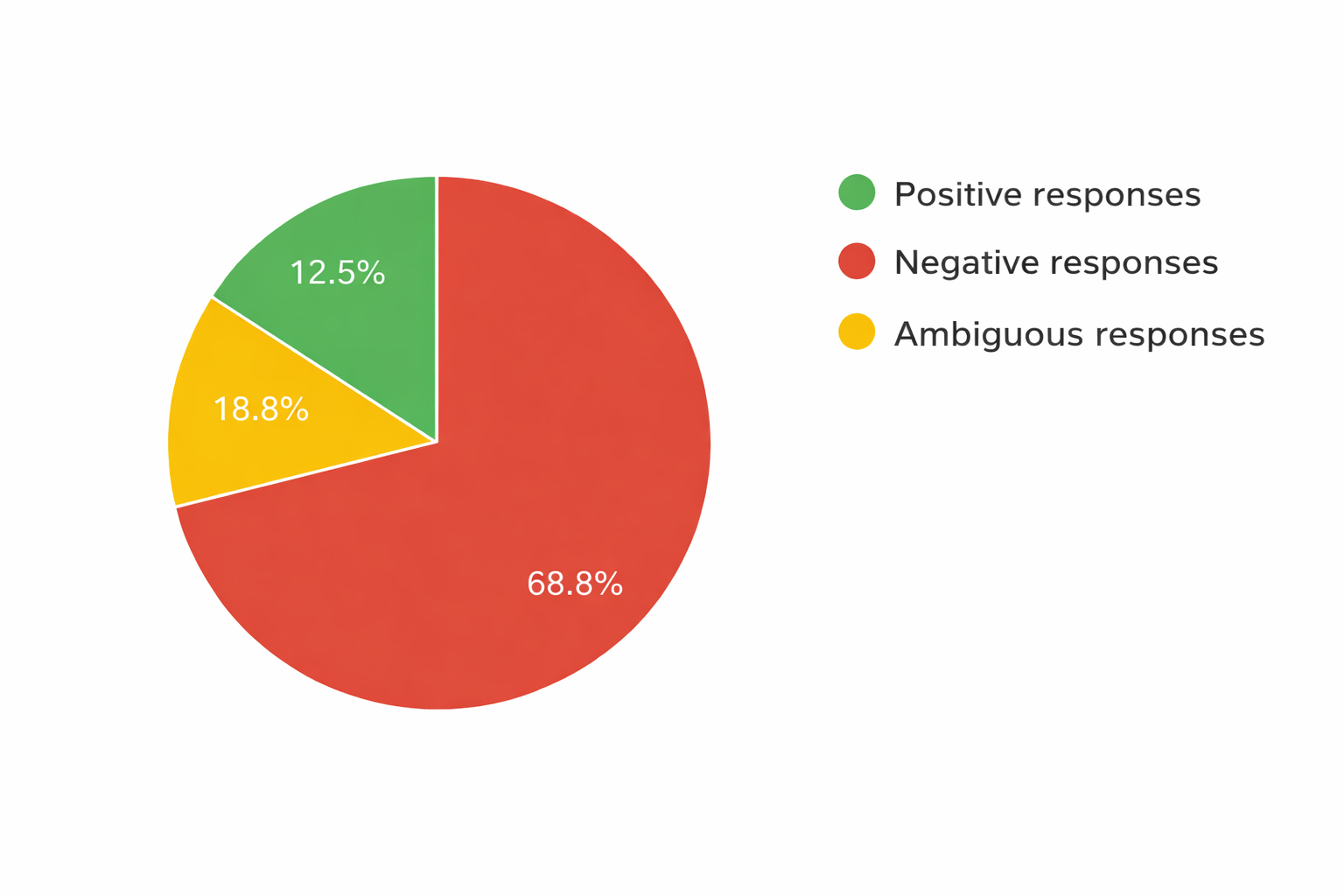
Figure 1 - Distribution of Associative Responses to the Verbal Stimulus “German Language” by Connotative Type
3.2. Responses to the Auditory Stimulus of German Speech
When perceiving the auditory stimulus, the structure of the associative field undergoes partial changes. The distribution of responses by connotative type is presented in Fig. 2.
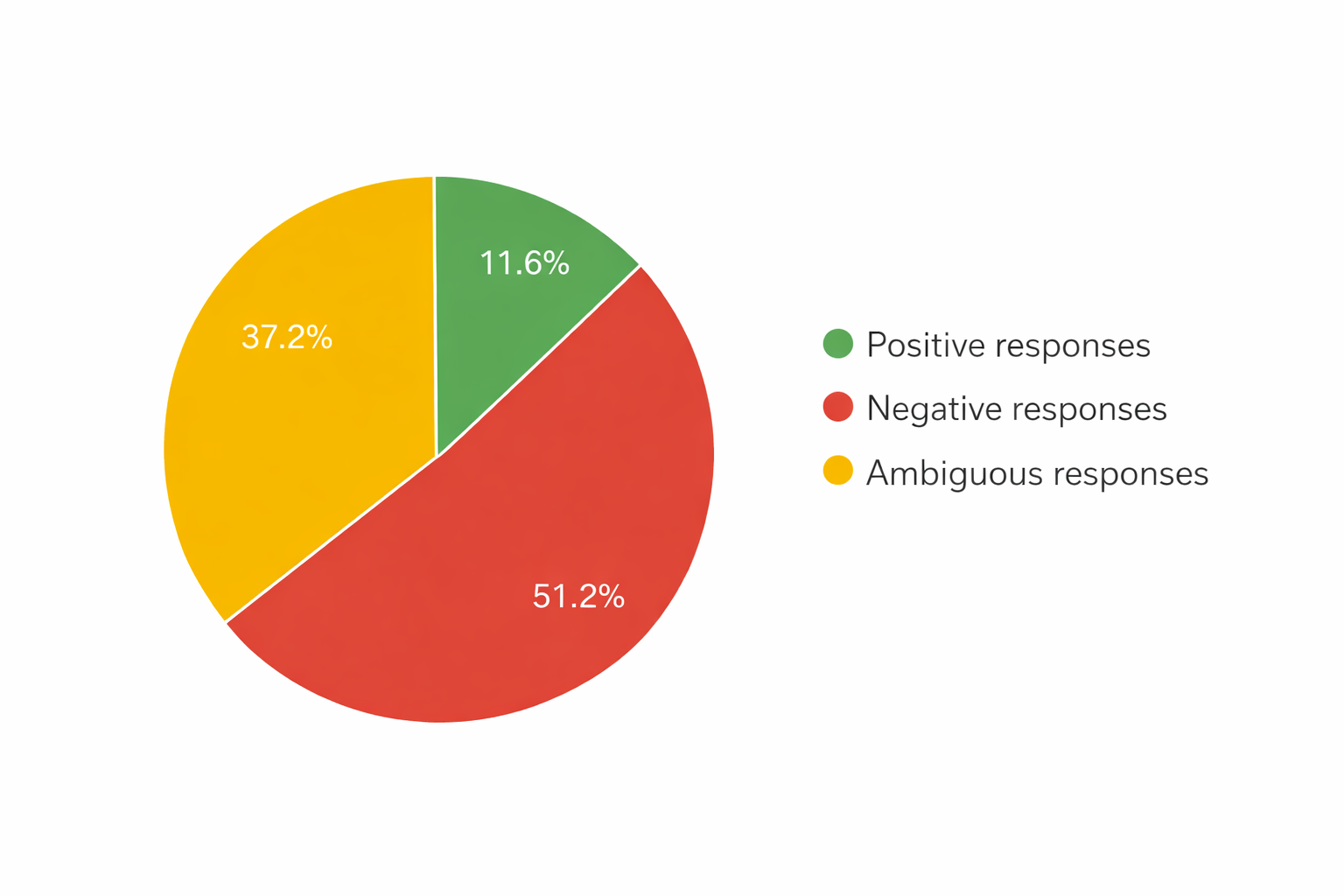
Figure 2 - Distribution of Associative Responses to the Auditory Stimulus of German Speech by Connotative Type
The proportion of positive responses remains low (slightly below 12%) and does not show a substantial increase compared to Block 1 (verbal stimulus condition). These findings indicate that direct perception of German speech only partially attenuates negative evaluative tendencies and does not result in the formation of a consistently positive image of the language.
3.3. Comparison of Responses to the Verbal and Auditory Stimuli
The data obtained in the first and second blocks of the associative experiment were combined and systematized with respect to response frequency. The core of the overall associative field for the verbal and auditory stimuli is presented in Fig. 3.
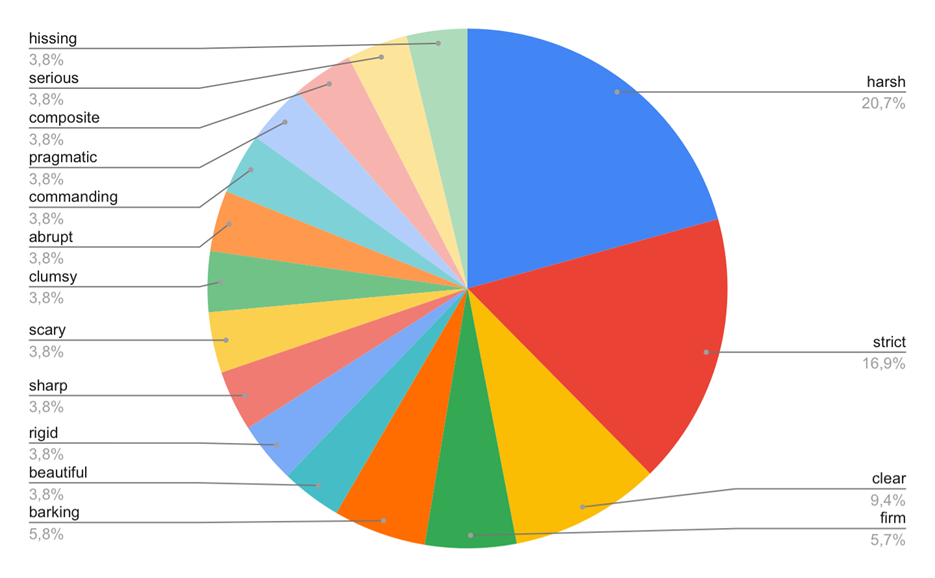
Figure 3 - Core Associative Field of the Verbal and the Auditory Stimuli (Frequency Distribution)
Analysis of the connotative composition of the core of the overall associative field shows a predominance of negative responses (60.5%), while ambiguous responses account for 36.2%. Positively connoted reactions are minimally represented (5.7%).
Comparison of the verbal and auditory stimulus conditions indicates that the verbal stimulus “German language” is more likely to activate culturally and socially shared evaluative patterns, whereas the auditory stimulus, relying on direct auditory perception, is associated with a reduced proportion of negative evaluations and an increased share of neutral and ambiguous characteristics.
At the same time, negative evaluations are not fully neutralized. Even in the absence of visual and contextual cues, German speech continues to be assessed predominantly negatively, indicating the stability of language-related stereotypes and their limited dependence on immediate perceptual experience.
3.4. The Role of Language Identification
Analysis of the third stage of the associative experiment showed that identification of the language presented in the auditory stimulus did not lead to significant differences in the distribution or connotative orientation of associative responses. Although the majority of participants correctly identified the stimulus as German speech, the overall pattern of responses remained largely comparable across groups, with predominantly negative and neutral-negative associations. Participants who did not identify the language demonstrated a similar structure of associative reactions. These findings indicate that language identification alone does not substantially affect the evaluative characteristics of the associative field elicited by the auditory stimulus.
4. Discussion
The obtained results indicate a systematic character of negative stereotyping of the German language in the linguistic consciousness of contemporary Russian-speaking youth. The predominance of negatively connoted associations in response to the verbal stimulus “German language” suggests the activation of stable cultural-historical and social stereotypes that are formed largely outside individual linguistic experience and entrenched in collective representations , .
A reduction in the intensity of negative evaluations observed in response to the auditory stimulus is consistent with experimental findings in socio- and psycholinguistics demonstrating that direct perceptual experience may partially attenuate stereotypical attitudes , . At the same time, the absence of a noticeable increase in positive associations indicates that the phonetic characteristics of German speech do not generate an independent positive image of the language, but rather shift evaluation toward relative neutrality without affecting the core of stereotypical perception. In the case of German, such representations appear to be closely linked to historical memory and media discourse, as previously noted in studies of foreign language perception within the Russian-speaking community . This observation is consistent with Abramova’s conclusion that pronunciation and accent function as socially salient, yet non-determining factors in language evaluation .
Of particular importance is the finding that successful identification of the German language in the auditory stimulus did not lead to substantial changes in the structure or connotative orientation of associative responses. The lack of significant differences between participants who identified the language and those who did not points to a high degree of stability and automatisation in stereotypical language perception. In the participants’ linguistic consciousness, German appears to be evaluated not on the basis of immediate perceptual input, but through pre-existing cultural-historical and social representations that are activated regardless of conscious language recognition. Comparable results have been reported in previous international studies, which show that evaluations of spoken language are largely shaped by prior cognitive expectations and socially conditioned attitudes rather than by acoustic properties of the speech signal itself , .
A comparison of responses to verbal and auditory stimuli further supports the conclusion that the verbal stimulus activates more rigid and culturally entrenched stereotypes, whereas the auditory stimulus leads to a partial softening of negative evaluations without altering their overall direction. Taken together, these findings suggest that accent-related features play a secondary role in shaping negative evaluations of the German language. Rather than serving as their primary source, phonetic characteristics tend to reinforce or modulate already existing attitudes formed under the influence of historical context, media discourse, and collective memory , .
Overall, the data confirm that accent stereotyping in this case functions as a secondary mechanism that intensifies or mitigates pre-existing evaluative patterns, rather than creating them anew. The primary factor in the perception of the German language among contemporary Russian-speaking youth remains the broader cultural-historical framework in which the language continues to be associated with rigidity, strictness, and aggression.
5. Conclusion
The present study has identified key features of how the German language is perceived by contemporary Russian-speaking youth and has examined the role of accent stereotyping in shaping evaluative reactions.
The results of the directed associative experiment demonstrate that the German language is perceived predominantly negatively, with the most pronounced negative evaluations elicited by the verbal stimulus “German language.” This finding points to the high stability of culturally and historically conditioned stereotypes embedded in linguistic consciousness.
Perception of the auditory stimulus reveals a partial attenuation of negative attitudes and an increase in neutral and ambiguous characteristics. However, the absence of stable positive evaluations suggests that direct auditory experience alone is insufficient to fundamentally transform the established image of the language.
The factor of language identification does not exert a significant influence on the nature of associative responses, which supports the view that stereotypical evaluations operate in an automated manner and are only weakly dependent on conscious analysis of the speech signal.
In conclusion, the findings indicate that cultural-historical factors play a more prominent role in shaping perceptions of the German language than its phonetic characteristics. The results of the study contribute to research in linguocultural studies and psycholinguistics as well as to sociophonetic research by demonstrating the limited impact of perceptual input on entrenched language stereotypes. They may also inform language teaching practices aimed at raising awareness of stereotypes and fostering a more neutral or positive image of the German language.